
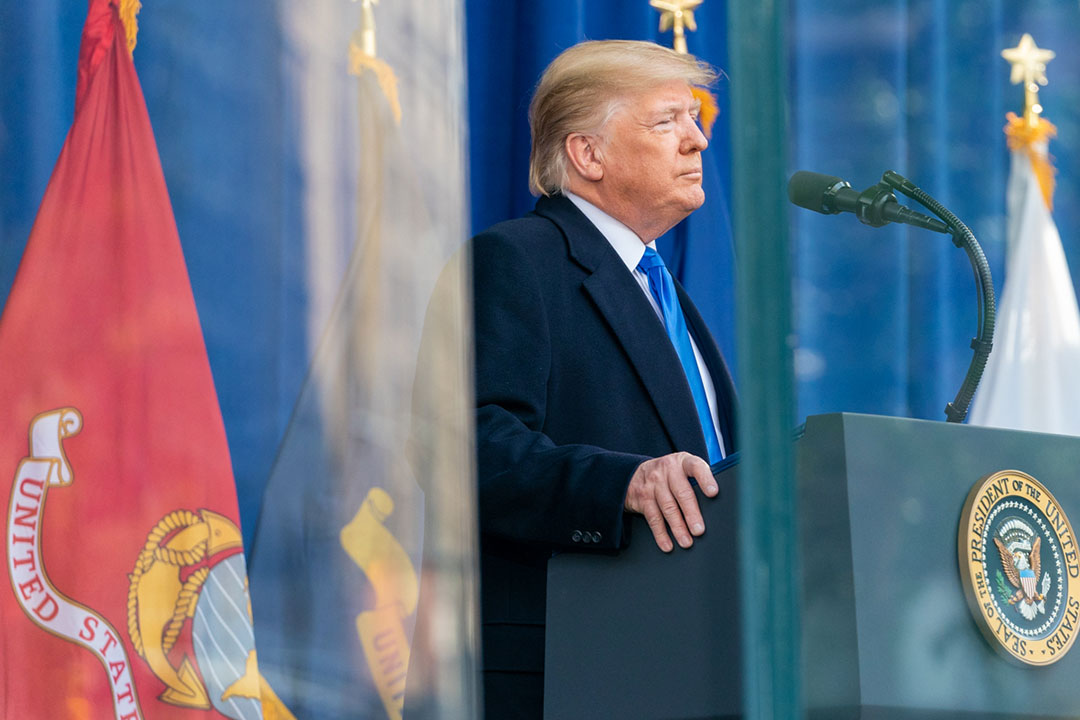
Ukraine peace negotiations advanced through intensive diplomatic engagement as President Trump reserved his personal participation in leadership meetings for what he characterized as deal conclusion phases. Trump announced he would engage Putin and Zelensky directly only when negotiations yield agreements approaching finalization.
The coordinated deployment of American officials to both Russian and Ukrainian capitals represents sustained high-level diplomatic commitment despite persistent challenges. Steve Witkoff’s Moscow assignment and Dan Driscoll’s Ukrainian engagement aim to resolve remaining disagreements in a peace framework that has undergone substantial evolution.
Trump characterized recent negotiating sessions as highly productive, claiming that tremendous progress has reduced initial disagreements to a manageable number of specific issues. Administration officials maintain that the revised peace framework incorporates meaningful input from both conflicting parties and addresses many concerns raised by Ukraine and European allies.
Despite White House optimism about the negotiating trajectory, significant international skepticism persists regarding prospects for achieving a mutually acceptable settlement. Expert analysts emphasize that fundamental incompatibilities between Russian territorial demands and Ukrainian sovereignty requirements continue to present formidable obstacles.
Ukrainian officials have publicly emphasized their desire for direct presidential engagement, viewing Trump-Zelensky meetings as essential for resolving the most sensitive territorial questions. President Zelensky maintained measured public statements that expressed gratitude for American diplomatic efforts while carefully avoiding confirmation of any specific agreements or concessions reached.