
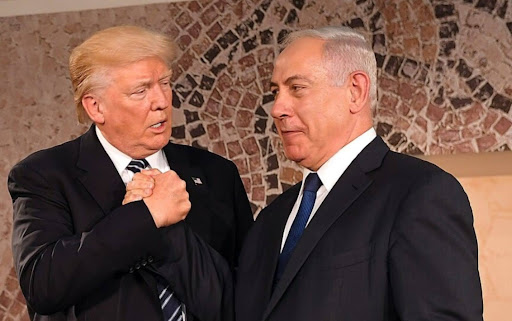
The US-Israel campaign against Iran is not just a military conflict — it is a global economic event. The South Pars gas field strike and the subsequent Iranian retaliation against regional energy infrastructure demonstrated once again that military decisions made in the Middle East have direct consequences for energy markets worldwide. Trump understood this — which is partly why he objected to the strike. Netanyahu accepted the economic costs as worth paying — which is partly why he proceeded anyway.
Israel’s decision to strike South Pars served multiple strategic purposes for Netanyahu. It attacked Iran’s revenue base directly, weakening the economic foundations of the state that funds the nuclear program, the missile program, and the proxy network. It demonstrated to Tehran that no element of the Iranian economy is off-limits to Israeli military action. And it imposed psychological and political pressure on an Iranian government that depends on oil and gas revenues for both its budget and its political legitimacy.
For Iran, retaliating against regional energy infrastructure rather than Israeli military targets was equally strategic. It imposed economic costs on the broadest possible set of parties — Gulf states, global consumers, American political constituencies — creating pressure on the Trump-Netanyahu alliance from multiple directions. It demonstrated that escalation against Iranian economic assets will have regional economic consequences extending well beyond Iranian borders.
Trump’s objection to the South Pars strike reflected his awareness that the energy battleground has limits — that escalations in energy infrastructure impose costs on American allies and on global economic conditions that American strategy cannot ignore. His concern was both principled and practical: the economic consequences are politically costly in ways that Netanyahu’s domestic mandate allows him to absorb more easily than Trump’s does.
The energy battleground will remain central to the conflict as long as Netanyahu’s comprehensive degradation strategy and Iran’s broad retaliation strategy remain in place. Managing the economic dimension — limiting escalations that generate unsustainable global consequences while maintaining effective military pressure on Iranian capabilities — is one of the most complex operational challenges the Trump-Netanyahu alliance faces.