
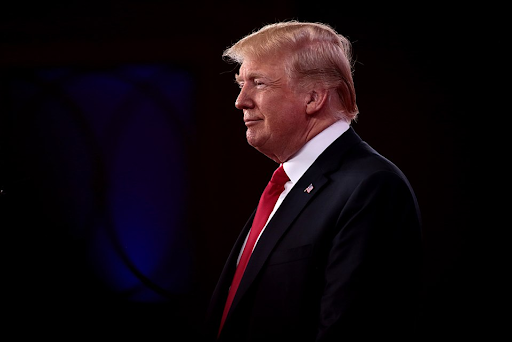
Donald Trump has attacked South Korea’s trade credibility, threatening to impose 25% tariffs on major exports unless Seoul demonstrates commitment to implementing a trade agreement from last year. The president’s announcement blamed Korea’s legislature for failing to enact the bilateral framework.
The trade agreement was negotiated between Trump and South Korean President Lee Jae Myung in October 2024, featuring provisions for reduced US tariffs on Korean vehicles from 25% to 15%. However, disagreements about whether legislative ratification is constitutionally required have prevented full implementation.
South Korea’s government maintains it received no advance warning of Trump’s tariff threat through official diplomatic channels. Officials are scrambling to respond, sending the trade minister to Washington for emergency talks while working with parliamentary leaders to expedite five relevant bills.
The automotive sector faces the greatest risk from potential tariff increases, accounting for 27% of South Korean exports to the United States and representing nearly half of all Korean car exports. Stock market volatility following Trump’s announcement reflected investor concern about the threat’s potential implementation.
This tariff warning fits within Trump’s broader strategy of using trade policy as diplomatic leverage in his second term. While not all threatened tariffs are implemented, the Atlantic Council’s international economics chair notes that volatility itself carries economic costs for businesses and markets.