
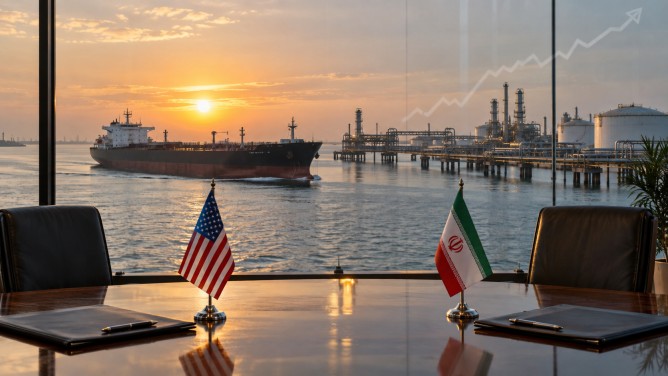
Global oil markets are closely watching diplomatic movements as the United Nations General Assembly convenes in New York. Investors are particularly focused on the potential for discussions between the United States and Iran, which may influence the future of oil prices and supply dynamics. Recent tensions in the Middle East and supply disruptions have kept energy markets on edge, contributing to fluctuations in oil prices.
On Tuesday, oil prices saw a rebound after four days of losses. Brent crude futures for November delivery rose by 1.7% to approximately $102 a barrel. Meanwhile, U.S. West Texas Intermediate (WTI) crude for October delivery also increased by 1.7%, reaching nearly $97 a barrel. The November WTI contract, which is more actively traded, experienced similar gains.
The possibility of a meeting between U.S. President Donald Trump and Iranian President Masoud Pezeshkian has added a layer of intrigue to the UN gathering. Such a dialogue could potentially ease longstanding tensions between the two nations, with implications for global oil markets. The Middle East continues to be a focal point, as increased shipments through the Strait of Hormuz have somewhat mitigated concerns about supply disruptions.
Saudi Arabia has been proactive in addressing these concerns by boosting crude exports through the Strait following earlier disruptions along its East-West pipeline. Nonetheless, regional instability persists, with Yemen’s Iran-backed Houthi group continuing to launch attacks, further complicating the geopolitical landscape. In response, China has called on Iran to assist in reducing these hostilities.
Adding to the complexity of the situation, Libya faces its own challenges. An armed group has reportedly shut down a valve on the Sharara crude pipeline, leading to a significant drop in production at one of the country’s major oilfields. This action has resulted in a decrease of around 200,000 barrels per day, highlighting the ongoing volatility in global oil supply.