
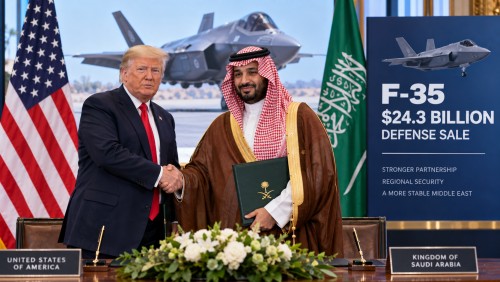
The United States continues to deepen its military cooperation with Saudi Arabia as it approves a potential $24.3 billion sale of 48 F-35 stealth fighter jets to the kingdom. This move, however, still requires the green light from the US Congress, which is expected to scrutinize the deal, particularly concerning the safeguarding of sensitive military technology and Riyadh’s expanding ties with China.
The US State Department has highlighted that the sale would bolster Saudi Arabia’s capability to deter regional threats and improve its air defense systems. Moreover, it aims to enhance interoperability between Saudi and US forces. In keeping with longstanding US policy, officials have assured that the agreement would not disrupt the military balance in the Middle East, emphasizing the necessity of preserving Israel’s military edge over its neighbors.
For years, Saudi Arabia has been interested in acquiring the advanced F-35 fighter jets, which are currently exclusive to Israel in the region. The potential sale has previously been a point of contention, with Israeli officials expressing concerns about the implications for regional security dynamics.
The proposed F-35 deal is part of a broader pattern of significant arms agreements between Washington and Riyadh. In recent times, the US has also approved sales to Saudi Arabia involving thousands of bombs, tank engines, and precision-improving equipment for rocket systems. These deals underscore the strategic military partnership between the two nations, despite ongoing international debates about arms sales to the kingdom.
As Congress reviews this latest arms agreement, the discussions are likely to focus on both the geopolitical implications and the technological safeguards necessary to maintain US defense interests. The outcome will be closely watched by regional powers and global stakeholders as it may influence future military and diplomatic interactions in the Middle East.