
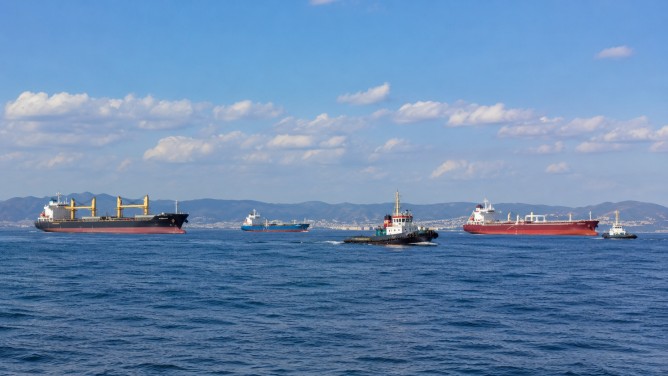
In a recent attack, a Saudi-flagged tanker named Sidra was struck in the Strait of Hormuz, resulting in the tragic deaths of two Filipino crew members. The incident, which occurred late on Monday, has drawn sharp condemnation from Saudi Arabia. The Saudi Foreign Ministry has called for an immediate reduction of tensions and emphasized the importance of adhering to international law, urging all parties to return to negotiations and seek peaceful resolutions.
This violent episode unfolds against the backdrop of escalating military tensions between the United States and Iran. In response to various provocations, U.S. military forces have conducted operations targeting Iranian air-defense systems, radar installations, maritime assets, mine-laying capabilities, and communication hubs. These strikes represent a significant escalation in the ongoing conflict between the two nations.
In retaliation, Iran has launched a series of attacks on U.S. military positions and infrastructure across several Middle Eastern countries, including Bahrain, Jordan, Kuwait, Iraq, and the United Arab Emirates. Iranian officials have stated that these actions are intended to compel the United States to withdraw its military presence from the region, further inflaming the already volatile situation.
The incident has heightened fears regarding the security and safety of commercial shipping and energy supplies traversing the Strait of Hormuz, a critical maritime passageway that facilitates the global oil trade. The potential for disruption in this vital corridor has raised alarm among international stakeholders and underscores the urgent need for diplomatic intervention.
Meanwhile, the United States has reiterated its call for countries and companies engaged in economic activities with Iran to reconsider their support. Washington is seeking to amplify pressure on Tehran to de-escalate the conflict and bring an end to the hostilities. The international community watches closely as these developments unfold, aware of the broader implications for regional stability and global economic interests.